I will bless the Lord at all times: his praise shall continually be in my mouth.
2 My soul shall make her boast in the Lord: the humble shall hear thereof, and be glad.
3 O magnify the Lord with me, and let us exalt his name together.”
Hey OTP family!!!
Today I just wanted to talk about choice. Making a choice… by definition choice is an act of selecting or making a decision when faced with two or more possibilities.
Every day we are given the opportunity to decide how we want our day to go. We can choose to be happier, sad, excited, melancholy, depressed, encouraged, discouraged, it goes on and on and on. I say it’s a choice because yes, some of these things come upon us when bad things happen are terrible things happen or even the worst happens but such as life the Bible says that time and chance happens to us all. That’s found in Ecclesiastes 9:11.
Because it’s something that happens to everybody, and of course everyone is going to choose to react in different ways. That brings us back to choice. Once we feel that initial impact of the thing that has happened to us or around us, we can then decide our reaction.
It is at this point we decide whether we’re going to allow this thing that has happened to impact our thought process, to impact our mood, or to impact the way we choose to react.
The writer psalms 34 provides us with a perfect example of choosing how to react. He starts by saying, “I will bless the Lord at all times”. This is a powerful and a significant statement because we all know that not every time in our life is a good time. In fact, most of the time in our life are tough, challenging, sad, and some even feel downright impossible. However, the writer is saying, in spite of all that I choose to approach it from the standpoint of “I’m gonna bless you, Lord, no matter what”. It is in giving God this blessing, this glory this honor, this praise that we release ourselves from the burdens that come from the times we are facing.
The writer then goes on further to say more than blessing the Lord at all times, I’m gonna make my boast in him. I’m gonna tell the world about how good He is, what He has done for me, and all the ways He has made for me. i’m gonna boast about my Lord! Doing this gives us the opportunity to give God’s résumé to all that will hear. If He did that then surely He can do this now. He made that way, He opened that door, He fixed that situation! So, what I’m facing right now I’m not gonna worry about it because God has my back.
The best part? He invites and encourages others to do the same. He tells them to “magnify the Lord with me and let us exalt his name together”. This praise, this blessing, this worship is not a spectator sport. Everyone can join in! Everyone can partake and everyone can choose to have a great day.
The great day comes from not dwelling on the times we are facing, but it comes from acknowledging the God we serve. Basking in his presence and allowing Him to feel the spaces in our heart and our mind where despair and discouragement would want to come in ruin our day.
I don’t know about you, but I agree with the Psalmist – I will bless the Lord at all times.
– I choose to have a better day than what the enemy wanted me to have. I
– I choose to switch my focus to God, and not away from him.
– I choose to allow him to come in and dwell in these spaces, taking the place of everything that the enemy has tried to do.
Scripture Text: Deuteronomy 27:9-10, “9 And Moses and the priests the Levites spake unto all Israel, saying, take heed, and hearken, O Israel; this day thou art become the people of the Lord thy God.
10 Thou shalt therefore obey the voice of the Lord thy God, and do his commandments and his statutes, which I command thee this day.”
The Cost of obedience
This book was written at the end of the 40 years the children of Isreal wandered the wilderness. Most of the people who originally received the law passed away, now there is a new generation who did not receive the law firsthand. God wanted moses to give/read them the law anew.
The people who are now poised to enter the promised land arenot the same people who first left Egypt (they do not have the deep ties to Egypt or have that slave mindset. But they also do not have the mental capacity to possess the promise). God is faithful and his word is true. What he promised he will perform. You may not physically touch it yourself, but your seed will. Sometimes the promise is not for you but for your seed. It is because of your faithfulness and obedience that your lineage is blessed.
The altar (built strictly to the specifications God gave through Moses) is functional on many levels. It is where offerings are made. It serves as a monument of remembrance to keep the commandments, and the journey God so wondrously brought them through. It is proof that God keeps his word – always.
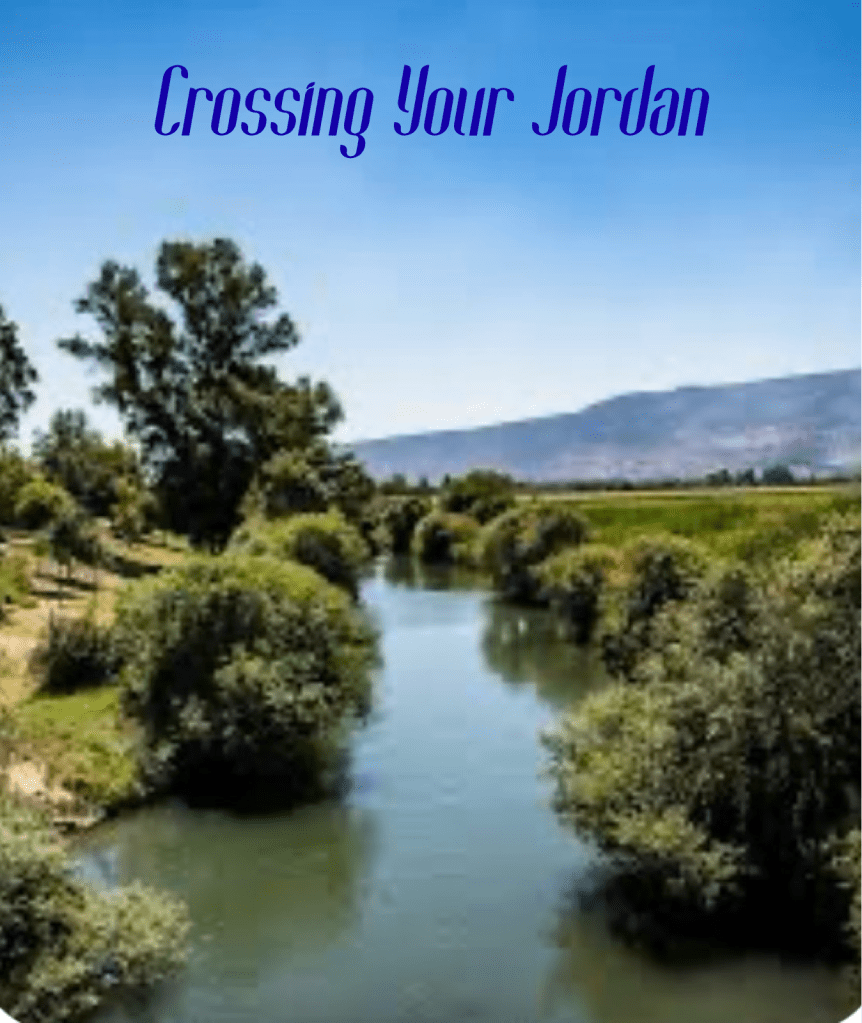
Moses tells the people – “This day thou are become the people of God”. This is their notice that the journey in the wilderness accomplished what was needed, now it is time to move to the next level. Crossing over Jordan and entering into the promised land was a demarcation – a transition from the old (or former person, level, or faith) to the next.
Moses then tells the people – “Thou shalt therefore OBEY the voice of the Lord thy God, and DO his commandments and his statutes…”
Commandments and Statutes – The difference
Commandments are direct foundational moral charges (like the 10 commandments), while Statutes are the specific often ritualistic or civil rules. They are boundaries and decrees detailing how to keep the broader commandments covering festivals, offerings, or social conduct.
Commandments are General, fundamental divine orders or charges to be obeyed. The nature of a commandment is broad foundational moral principles.
Example: The commandment (or general rule) “Keep the Sabbath holy” Exodus 20:8. The statutes are the specific regulation: “You shall not do any work on the Sabbath” Exodus 20:10.
Statutes provides the practical application and boundaries for fulfilling the core commandment.
Obedience is the hallmark of the Children of God
Biblical obedience is actively listening to and submitting to God’s commands out of love, trust, and reverence. It is not just following rules, but aligning your will, actions, and heart with His purpose.
It is joyful, willful yielding to God’s instruction, reflecting a deep dependence on Him.
The entrance to this next level required a new level of obedience they did not previously have.
This transition pulled them together and made them a people – The people of God!
The Symbolism of Crossing Jordan
When you cross THIS JORDAN, you will never be the same!
Crossing Jordan represents several things:
1. Transition & New Beginning: Moving from a past state to a new promised future.
2. Freedom & Deliverance: Signifying freedom from bondage and adversity, a breakthrough after a long journey.
3. Divine Presence & Power: Miracles at the Jordan affirm God’s active presence and faithfulness.
4. Spiritual Warfare: Represents overcoming internal or external obstacles to claim God’s promises.
Symbolism with Baptism:
Baptism buries our former life and sins in the water in the Name of Jesus. As we arise out of the water we are to walk in the newness of life. Jordan provided water as the children of God came out of the waters of Jordan their former life was dead (Egypt and everything attached to it – mindset, raiment, and former behaviors). Their new life was to be governed by the commandments and statutes of God.
God if faithful – the children could not receive (embrace) the word of God while they were still under the law of the former. They needed to be released of that before they could accessGod’s will.
But being released does not mean you are yet free. You still must overcome the hidden things that come with being in captivity. It took the children 40 years to work their way through.
What is Your Jordan?
What is God transition you through? We are all dealing with something. We have things on the altar that we have been seeking God for.
We are in a place of transition. Pulling away from the old former things and preparing to embrace the new. We are moving from 1 level to the next. But this next level is like nothing we have ever seen or been through before. It is going to require personal responsibility and perseverance. We are going to have to fight this flesh at times, and people (including family) at other times.
God is faithful that He makes our “go through” not feel as challenging as it truly is. Because of His grace and mercy and the divine blessings and favor of God.
The True Cost of Obedience
What is the cost of obedience? The true cost of obedience involves:
1 Radical self-denial,
2 Sacrifice,
3 And surrendering your whole self to God.
This often led to persecution, loss of comfort, broken relationships, and challenging worldly expectations.
Examples: Jesus obeying to death on the cross
Abraham when he left home he knew for the unknown, but following the leading of God.
It means aligning your will with God’s. Prioritizing Him above personal desires, reputation, and earthly security. Recognizing that this costly discipleship ultimately transforms your file for God’s purposes, even when it upsets others.
Key Aspects of the Cost of Obedience
1. Self-Denial & Sacrifice: following Jesus means denying yourself, taking up your cross and follow me – Matthew 16:24.
2. Persecution & Suffering: Godly living in Christ often invites opposition, suffering, and ridicule from a world that doesn’t understand.
3. Loss of earthly comfort: Obedience might mean giving up security, reputation, friends, or even family harmony (Matthew 19:21).
4. Upsetting the plans of others: Obeying God might disruptthe plans or expectation of non-believers.
5. Cost to your will & agenda: It costs your pride, selfhood, personal rights, and independent agenda. Requiring submission to God’s larger purpose.
Now that we understand the key aspects of the cost of obedience, let’s look at the reason…
The Purpose of the cost?
1. Love for God: True obedience flows from loving God fully (Matthew 22:27-40).
2. Worship & logic: It is a logical response to God’s love, desiring closeness to Him, not distance.
3. Transformation: it leads to being “light and salt” that God called us to be. A transformed life reflecting God’s character.
What is your Jordan?
The children had to break free from the traditions and residue of bondage they carried from Egypt.
Everything that happened during bondage was not bad and the information and knowledge they gained was multifaceted. It was sufficient to help govern life.
We all take something out of our Jordan. In fact, the command was to take whole stones and build and altar to God. These stones came from the riverbank coming out of Jordan and from the land. On these stones they were to write all the words of the Law Moses gave.
When we are delivered from our personal Jordans we also need to build a monument to God. We need to remember the Goodness of God, his faithful delivering and sustaining power that kept us in the fire.
*Today we are preparing to cross over Jordan
**Today we must settle in our hearts to walk in obedience to the commandments and statutes of God.
***We must recognize that obedience opens the door to receive the blessings of Deuteronomy 28. These blessings shall come upon you and overtake you. But this requires us to hear the voice of the Lord.
****We must recognize there is a penalty of disobedience and the curse that accompanies it (Deuteronomy 28:45).
The reuse cost of obedience is worth it all.
Self reflection time … examine yourself: if you see where you are lacking in obedience today is a perfect day to repent and get it right.
Isaiah 62:6-7, “I have watchmen upon thy walls, O Jerusalem, which shall never hold their peace day or night: ye that make mention of the Lord, keep not silence, And give him no rest, till he establish, and till he make Jerusalem a praise in the earth.”
1 Peter 5:8, “Be sober, be vigilant; because your adversary the devil, as a roaring lion, walket about, seeking whom he may devour;”
The struggle is real! And we as believers must always pay attention to what is going on around us; to what is happening in our lives. If/when we lose focus or allow ourselves to be distracted by the activities of life, we are making room for the enemy to come in undercover to wreak havoc in our lives. We begin to forget who we are in Christ and will take on the attitude of the world – bad things happen to good people – and will just allow things to go on unchecked. Things that are contrary to God’s will for our lives. This is spiritual delusion.
I always talk about the responsibility of the believer, but there is also an accountability factor to consider. We must hold ourselvesaccountable to stand on the word of God – at all times. We must be sober and vigilant because our enemy is always about his business. He never takes a vacation. We must show the same determination to protect ourselves and our loved one.
Let’s take a deeper look at these scriptures:
Isaiah 62:6-7 (also see Ezekiel 33:1-9, Habakkuk 2:1).
Purpose: To guard, look for danger, and pray for God’s purposes to be fulfilled.
Call to Action: To be spiritually alert, constantly praying, and not silent.
Other Related Verses are Ezekiel 33:1-9: Describes the duty of a watchman to warn the people. Habakkuk 2:1: The prophet takes his stand at the watch post to receive God’s word.
These scriptures highlight the role of spiritual leaders and believers to act as guardians in prayer and spiritual warfare.
1 Peter 5:8
“Be Sober” (Greek: nephate): Refers to being free from intoxication, not just of alcohol, but of anything that dulls spiritual perception, such as distractions or sin. It implies a serious, stable, and self-controlled mindset.
“Be Vigilant “ (Greek: gregoresate): Means to stay awake, watch, and be attentive, like a guard or night watchman. It involves being alert to spiritual dangers and being on guard against temptations.
The command is given because the devil is actively searching for victims to devour. Believers are advised to resist this enemy by standing firm in their faith.
This requires avoiding spiritual complacency, staying close to God through prayer, and recognizing potential dangers in daily life.
The scripture emphasizes that while spiritual danger is real, believers can stand firm by being alert and maintaining a strong, faithful, and focused life.
****** ****** *****
Now that we understand the importance of living a life on alert – the call to all believers to be watchful and not be deceived by the enemy, let’s clarify some key points.
Life happens – This is so true. We face difficulties, challenges, loss, victories, prosperity and blessings. We are all when the positives happen. However, when the negatives happen, if we are not watching, we can forget who we are and not challenge these things. We just let them happen and act like this is just a part of life.
It’s the small things – When things seem minor. Small annoyances that don’t seem to greatly impact on our daily lives. However, Song of Solomon 2:15 helps us to see the error in idea. Little foxes represent minor issues – like bitterness, poor communication, or neglecting intimacy—that can cause significant, long-term damage. It is a call to action. The verse calls for proactive, intentional effort to remove these small threats before they ruin the “vineyard” (life or marriage).
Things happen in the darkness – Matthew 13:24-30, tells the story of the sower who sowed seeds in his garden. But while the sower was sleeping the enemy also sowed weeds among his seeds. Yes, things happen in the darkness – while the believe slept. This cannot be helped. However, we must be in a place to recognize what has happened and take steps to appropriately deal with it. This is spiritual discernment. A necessary spiritual gift that every believer must hone.
So how do we combat these things?
We must know who we are and have the boldness of David (1 Samuel 17:26, 36). David had the spiritual position to say who is this man to come against the people of God. He trusted in the divine skills and abilities God gave him to defeat the enemy. He knew he could not go into battle with armor (defenses) that were not his. He trusted God and took what he knew God had used in the past to allow him to prevail against his enemy.
We must exercise the power and authority given to us when the Holy Ghost comes to indwell in us. Acts 1:8, “…But ye shall receive power, after that the Holy Ghost is come upon you…” Also, Luke 10:19. records Jesus giving believers authority to “tread on serpents and scorpions” and overcome all the enemy’s power without being harmed, promising spiritual protection and victory over demonic forces.
We must become a student of the word of God to understand the promises of God. To understand the victory promised to us. For we serve a God who always causes us to triumph (2 Corinthians 2:14). But we cannot triumph in a battle if we refuse to fight!
We must be defensive workers. Meaning, yes, we must do the work God called us to, but we must also be prepared to always fight the good fight (Nehemiah chapter 4). The rebuilding of Jerusalem’s walls is characterized by a “balanced life” approach where the Israelites worked and prepared for war simultaneously to counter opposition. Nehemiah instructed the workers to be both builders and soldiers, holding a tool in one hand and a weapon in the other to protect their work and families.
Let’s look at our Power and Authority in Jesus
The dictionary defines:
Power is the ability to do something or act in a particular way, especially as a faculty or quality. The capacity or ability to direct or influence the behavior of others or the course of events.
Authority as the power or right to give orders, make decisions, and enforce obedience.
The Bible defines Power and Authority as:
Power in the Bible represents the divine ability, strength, and authority of God (often dunamis in Greek) to create, liberate, and redeem, rather than just raw force. It is primarily the enabling power of the Holy Spirit, given to believers for witness, endurance, and transformation.
Key aspects of power in Scripture include:
• Divine Origin: God is the source of all power, which is infinite, sovereign, and used for righteousness.
• Dunamis (Ability/Might): Often refers to the dynamic, miraculous power of God, particularly the Holy Spirit (Acts 1:8, Luke 1:35).
• Exousia (Authority/Right): Refers to the legal right or delegated authority, such as the authority Jesus gave his disciples to act in his name (Matthew 28:18).
• Kratos (Strength): Denotes the manifest strength or dominion of God.
• Purpose: Biblical power is not for self-aggrandizement, but for empowering the weak, performing, and witnessing.
• Paradoxical Nature: The Bible highlights a “power in weakness” motif, where God’s strength is made perfect in human weakness (2 Cor. 12:9).
In the New Testament, power is most profoundly manifested in the resurrection of Jesus Christ and the working of the Holy Spirit in the lives of believers.
In the Bible, Authority refers to the supreme power and legitimate right of God to rule, judge, and define reality, with the Bible serving as the authoritative, infallible word of God. It signifies God’s sovereignty over creation, and delegated authority exists through government, the church, and parents, all of which are subordinate to His ultimate authority.
Key aspects of authority in the Bible include:
• God as Ultimate Authority: All true authority stems from God, as seen in the Ten Commandments, which establish Him as the supreme spiritual authority.
• Christ’s Authority : Jesus claimed all authority in heaven and on earth (Matthew 28:18), demonstrating power over sin, sickness, and spiritual forces.
• Scriptural Authority: The Bible is considered the final, reliable source for worldview, truth, and moral guidance.
Authority is also defined in the New Testament as exousia, which refers to the right to act or the freedom to make decisions, such as the authority given to believers to become children of God (John 1:12).
The believer’s authority in the Bible is the delegated spiritual right, granted by Jesus Christ and backed by God’s power, for Christians to act in His name to advance the Kingdom, overcome evil, and walk in victory. Based on the finished work of the cross, this authority allows believers to enforce Christ’s victory over sickness, sin, and the enemy.
Key aspects of the believer’s authority include:
• Delegated Power: It is not personal strength but the authority of the “name of Jesus” (exousia), like a police officer enforcing the law.
• Position in Christ: Believers are seated with Christ in heavenly places, giving them a position of spiritual dominance over demonic forces.
• Purpose: The authority is given to fulfill the Lord’s work, advance the Gospel, and live a life according to God’s will.
• Usage: It is exercised through faith, using the Word of God, and speaking in faith to command situations to change, often against spiritual opposition.
• Responsibility: This authority is not for selfish gain but for serving God, and it comes with a call to humility and dependence on the Holy Spirit.
It is essential to distinguish between exousia (the delegated right to act) and dunamis (the inherent power of God). While the former is the authority, the latter is the strength by which the authority is exercised.
***** ***** *****
Now that we have a deeper understanding of the power and authority given to us by Jesus. Let’s look at how we effectively use this power.
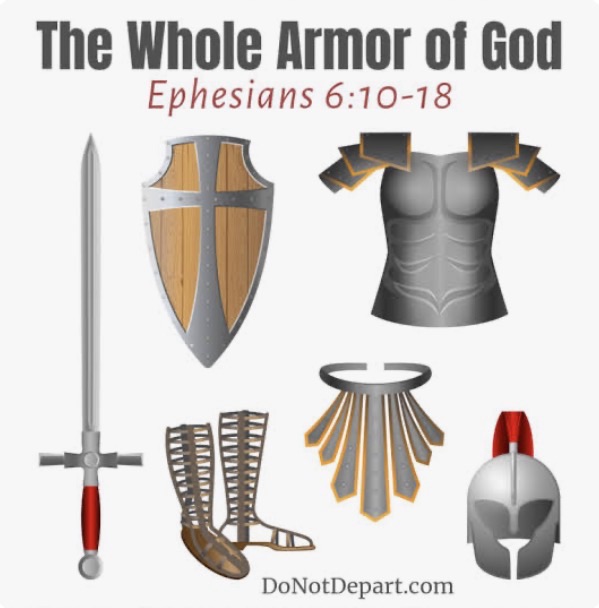
Dress appropriately for the battle – Ephesians 6:10-18, details the whole armor of God. This is the one outfit that we should put on every morning (spiritually speaking). We must speak it daily – putting it on by faith. Pay attention to the purpose of every piece of our armor and use it accordingly.
Speak to the mountains in your life – Mark 11:23, tells we can speak to the situations in our lives that look like mountains, but are only the enemy trying to get us to back down from doing the will of God.
Clean house spiritually – the principle of Binding and Loosing – Matthew 16:19 and 18:18, details the keys (authority) given to the church. This is a perfect example of that attitude David showed when he dealt with Goliath. We cannot allow anything to attempt to shut down the importance of the function of the body of Christ – kingdom work. This includes things happening in our personal lives. We have God given authority that we are expected to use to maintain order.
This is a battle – Remember 2 Corinthians 10:4-5, “the weapons of our warfare are not carnal” means that spiritual battles are fought with divine power rather than human, worldly methods. Instead of using manipulation, physical force, or human reasoning, these weapons are mighty through God to demolish strongholds, cast down arguments, and bring thoughts into obedience to Christ.
**The bottom line – we cannot allow the enemy to go unchecked in our lives, our homes, our jobs, our local church, our community, etc. We have power and authority that God expects us to exercise daily. This is key for the abundant and victorious life God has promised to believers. It is our responsibility to take action to obtain and maintain. Then we trust God to do what he said he would do. This is a partnership. God will do his part, but we must also do ours.
***** ***** *****
Self-reflection time.
Are there areas in your life where you recognize opportunities to take authority? Areas where you have noticed the weeds sowed among your seeds? Areas where you might have allowed small things to fester because you thought they were “not that bad” or “not worth the fight” or argument that might happen if you addressed it? Are you facing difficulties, challenges, or losses that you have not addressed spiritually?
If so, understand that prayer is a weapon; praise and worship are tools we can use to maintain our peace and positive attitude in Christ. Psalms 16:11, reminds us that in the presence of God is the fulness of joy and pleasures forevermore. The joy of the Lord is our strength (Nehemiah 8:10).
Repent, and get back to where God needs you to be. Take authority over the things that are trying to bind you and hold you hostage to the past or prior mistakes you made. Forgive yourself and refuse to continue to punish yourself for prior poor decisions. Now that you know better, do better. Move away from those old habits. Speak to these mountains, in Jesus’ name, and cast them out. Be free! For whom the son has set free is free indeed!




 Onward To Perfection.com